Air conditioning, often referred to as aircon, is a technology that has become essential in modern living, especially in regions where temperatures can soar. At its core, air conditioning serves a fundamental purpose: to create a comfortable indoor environment by regulating temperature and humidity levels. This is particularly important during the sweltering summer months when outdoor heat can make indoor spaces unbearable. Understanding the basics of how air conditioning works not only helps in appreciating its value but also in dispelling common myths surrounding its operation.So, how does air conditioning actually function? The process begins with the principle of heat transfer.
An air conditioning system draws warm air from inside your home and passes it over a series of coils filled with a refrigerant. This refrigerant absorbs the heat from the air, causing it to cool down before being circulated back into your living space. Meanwhile, the absorbed heat is expelled outside, effectively lowering the overall temperature indoors. This cycle of heat removal is what makes air conditioning so effective at providing relief from high temperatures.Moreover, air conditioning systems are designed not just for cooling but also for enhancing indoor air quality.
Many units come equipped with filters that trap dust, allergens, and other pollutants, ensuring that the air you breathe is cleaner and healthier. This dual functionality—cooling and purifying—highlights why understanding aircon basics is crucial for homeowners and renters alike. By grasping how these systems operate, individuals can make informed decisions about maintenance, energy efficiency, and troubleshooting common issues.
Common Misconceptions About Air Conditioning
When it comes to air conditioning, there are numerous misconceptions that can lead to confusion and misinformation. Understanding the truth behind these myths is essential for making informed decisions about your aircon system.Here are some of the most common misconceptions:
- Myth 1: Air Conditioners Create Cold AirMyth 1: Air Conditioners Create Cold Air
Many people believe that air conditioners generate cold air. In reality, air conditioning systems work by removing heat from the indoor air and transferring it outside. This process does not create cold air; instead, it simply lowers the temperature of the air in your home. - Myth 2: Air Conditioning is Inefficient
Another prevalent myth is that air conditioning systems are inefficient and waste energy. While older models may have been less efficient, modern air conditioners are designed with energy efficiency in mind.Many units now come with high SEER (Seasonal Energy Efficiency Ratio) ratings, which indicate their efficiency in cooling your space while minimizing energy consumption.
- Myth 3: Leaving the AC On All Day is Cheaper
Some homeowners believe that keeping their air conditioning running all day is more cost-effective than turning it off when they leave the house. However, this can lead to higher energy bills. It’s often more economical to set a programmable thermostat to adjust the temperature when you’re away, allowing the system to work less while still maintaining comfort. - Myth 4: Air Conditioning Causes Health Problems
There’s a common belief that air conditioning can lead to health issues such as respiratory problems or allergies. While poorly maintained systems can circulate dust and allergens, a well-maintained aircon unit can actually improve indoor air quality by filtering out pollutants and providing consistent ventilation. - Myth 5: Bigger Units are Better
Many assume that a larger air conditioning unit will cool their space more effectively.However, an oversized unit can lead to short cycling, where the system turns on and off frequently, causing inefficient cooling and increased wear on the unit. It’s crucial to choose a properly sized system based on your home’s specific needs.
How Air Conditioning Works: The Science Behind It
To truly understand how air conditioning works, we must first explore the fundamental principles of thermodynamics and the refrigeration cycle. At its core, an air conditioning system operates by transferring heat from one location to another, effectively cooling the air in your home.The refrigeration cycle is the heart of this process and consists of four main components: the evaporator, compressor, condenser, and expansion valve.Each component plays a crucial role in ensuring that heat is efficiently removed from your living space.
- Evaporator: This is where the cooling begins. The evaporator coil is located inside your home and contains a refrigerant that absorbs heat from the indoor air. As warm air passes over the coil, the refrigerant evaporates, turning from a liquid into a gas. This process absorbs heat from the air, resulting in cooler air being circulated back into your home.
- Compressor: Once the refrigerant has absorbed heat and turned into gas, it flows to the compressor located outside your home.
The compressor's job is to compress this gas, raising its pressure and temperature. This high-pressure gas is then sent to the condenser.
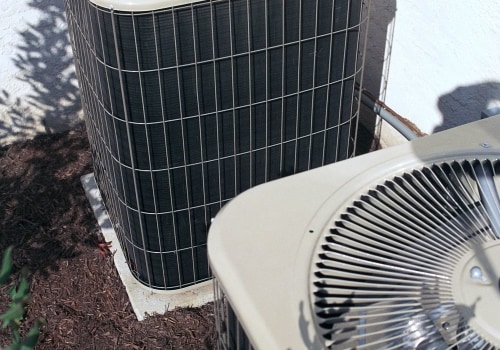
- Condenser: The condenser coil is also located outside your home. Here, the high-pressure gas releases its heat to the outside air as it condenses back into a liquid. This process is facilitated by a fan that blows outdoor air over the coil, enhancing heat transfer.
- Expansion Valve: After leaving the condenser, the refrigerant is still under high pressure but now in liquid form.
It then passes through an expansion valve, which reduces its pressure. This sudden drop in pressure allows the refrigerant to cool significantly before it re-enters the evaporator coil, ready to absorb more heat.
This fundamental principle of heat transfer is what makes air conditioning systems effective in providing relief during hot weather.
The Efficiency of Air Conditioning Systems
When it comes to air conditioning efficiency, understanding how these systems operate can significantly impact your energy consumption and overall costs. Air conditioners are designed to provide effective cooling while minimizing energy use, but not all units are created equal. The efficiency of an air conditioning system is often measured by its Seasonal Energy Efficiency Ratio (SEER) , which indicates how much cooling output is generated per unit of electricity consumed.Higher SEER ratings mean better efficiency, which translates to lower energy bills. For instance, a unit with a SEER rating of 16 will use less energy than one with a rating of 10 for the same amount of cooling.This difference can lead to substantial savings over time, especially during peak summer months when air conditioning usage is at its highest.In addition to SEER ratings, the energy consumption of aircon systems can also be influenced by factors such as:
- Size: An appropriately sized air conditioner will operate more efficiently than one that is too large or too small for the space it is intended to cool.
- Maintenance: Regular maintenance, including cleaning filters and checking refrigerant levels, ensures that the system runs smoothly and efficiently.
- Installation: Proper installation is crucial; poorly installed units can lead to air leaks and reduced efficiency.
- Inverter technology: This technology allows the compressor to operate at variable speeds, reducing energy consumption while maintaining comfort.
- Zoning systems: These systems enable you to cool specific areas of your home rather than the entire space, which can lead to significant energy savings.
- Energy-efficient models: Investing in ENERGY STAR certified units ensures that you are choosing products that meet strict efficiency guidelines.
Air Conditioning vs.
Heating: Can Aircon Do Both?When considering the functionality of an air conditioning system, many homeowners often wonder about its heating capabilities. The question arises: can aircon heat a room ? The answer is yes, but it depends on the type of air conditioning system you have installed.Most traditional air conditioners are designed solely for cooling purposes. They operate by removing heat from the indoor air and expelling it outside, which is effective during hot weather. However, there are systems known as dual function air conditioners or heat pumps that can reverse this process.
These units are capable of both cooling and heating, making them versatile options for year-round climate control.
How Dual Function Air Conditioners Work
Dual function air conditioners utilize a refrigeration cycle that can be reversed. In cooling mode, the system extracts heat from inside your home and releases it outdoors. When switched to heating mode, the process is reversed: the unit absorbs heat from the outside air—even in cold temperatures—and transfers it indoors.This heating capability is particularly beneficial in moderate climates where winter temperatures do not drop too low. Heat pumps can efficiently provide warmth without consuming excessive energy, making them an environmentally friendly choice.When Is Heating Viable?
While dual function air conditioners can provide heating, their effectiveness diminishes in extremely cold conditions.As outdoor temperatures drop, the amount of heat available for extraction decreases, which can lead to reduced efficiency. In such cases, supplemental heating sources may be necessary to maintain comfortable indoor temperatures.It’s also important to consider the size and insulation of your home when relying on an aircon for heating. A well-insulated space will retain heat better and allow the system to operate more efficiently.In summary, while traditional air conditioning units are limited to cooling, dual function air conditioners offer a practical solution for both heating and cooling needs. Understanding how these systems work and their limitations can help homeowners make informed decisions about their climate control options.
Maintenance Myths: Keeping Your Air Conditioner in Top Shape
When it comes to maintaining your air conditioning system, there are numerous myths that can lead to improper care and inefficient operation.Understanding the truth behind these misconceptions is essential for ensuring your aircon runs smoothly and lasts longer.
Myth 1: You Only Need to Change the Filter Once a Year
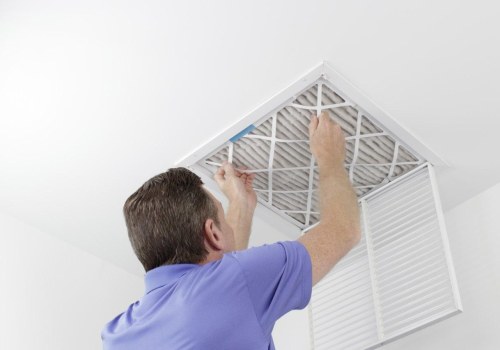
Many homeowners believe that changing the air filter annually is sufficient. However, this is far from the truth. Depending on usage, filters should be checked monthly and replaced every 1-3 months. A clogged filter restricts airflow, making your air conditioner work harder and potentially leading to costly repairs.
Myth 2: Air Conditioning Maintenance is Only Necessary Before Summer
While it’s common to schedule maintenance before the hot months, regular checks throughout the year are crucial.
Seasonal maintenance helps identify issues early, ensuring your system operates efficiently when you need it most. Neglecting maintenance can lead to unexpected breakdowns and higher energy bills.
Myth 3: Closing Vents in Unused Rooms Saves Energy
Some believe that closing vents in unused rooms will save energy costs. In reality, this can create pressure imbalances within your system, leading to inefficiencies and potential damage. Instead of closing vents, consider using fans or adjusting the thermostat for better energy management.
Myth 4: You Can Skip Professional Maintenance
While DIY maintenance tasks like changing filters are important, professional inspections are vital for comprehensive care.
Technicians can identify hidden issues, clean internal components, and ensure that refrigerant levels are optimal. Skipping professional maintenance can lead to more significant problems down the line.
Practical Tips for Maintaining Your Air Conditioner
- Regularly check and replace filters: As mentioned earlier, keep an eye on your filters and replace them as needed.
- Clean the outdoor unit: Remove debris such as leaves and dirt from around the outdoor condenser unit to ensure proper airflow.
- Inspect insulation: Check insulation on refrigerant lines to prevent energy loss.
- Schedule annual professional maintenance: Have a qualified technician perform a thorough inspection at least once a year.
- Monitor thermostat settings: Ensure your thermostat is functioning correctly and consider upgrading to a programmable model for better efficiency.
Environmental Impact of Air Conditioning Systems
The use of air conditioning systems has become ubiquitous in modern society, providing comfort during sweltering summer months. However, the environmental impact of these systems is a growing concern that cannot be overlooked. Understanding the implications of air conditioning on our planet is crucial for making informed choices about their use and exploring more sustainable options.One of the primary environmental issues associated with air conditioning is the energy consumption.Traditional air conditioning units are notorious for their high energy usage, which contributes significantly to greenhouse gas emissions. According to the U. S. Department of Energy, residential air conditioning accounts for about 6% of total electricity use in the United States.
This demand for electricity often leads to increased reliance on fossil fuels, further exacerbating climate change.Another critical factor is the type of refrigerants used in air conditioning systems. Many older units utilize hydrofluorocarbons (HFCs), which are potent greenhouse gases with a global warming potential thousands of times greater than carbon dioxide. Although newer models are increasingly adopting more eco-friendly refrigerants, such as hydrofluoroolefins (HFOs), the transition is slow and not without challenges.To mitigate these environmental impacts, homeowners can consider several eco-friendly aircon options. For instance:
- Energy-efficient models: Look for units with high Seasonal Energy Efficiency Ratios (SEER) ratings, which indicate better energy performance.
- Smart thermostats: These devices can optimize cooling schedules based on occupancy and weather patterns, reducing unnecessary energy consumption.
- Regular maintenance: Keeping your air conditioning system well-maintained ensures it operates efficiently, minimizing energy waste.
- Alternative cooling methods: Explore options like evaporative coolers or ceiling fans that consume less energy and have a lower environmental footprint.
Simple actions such as sealing windows and doors to prevent cool air from escaping, using shades or curtains to block direct sunlight, and setting thermostats a few degrees higher can significantly decrease energy usage.In conclusion, while air conditioning provides essential comfort during hot weather, it is vital to recognize its environmental implications. By choosing more sustainable options and adopting energy-saving practices, we can enjoy the benefits of cooling systems while minimizing their impact on our planet.
Frequently Asked Questions About Air Conditioning
When it comes to air conditioning, many homeowners have questions that arise from common misconceptions or a lack of understanding about how these systems operate. Below are some frequently asked questions that can help clarify some of the most pressing concerns regarding aircon.1.How often should I service my air conditioner?
Regular maintenance is crucial for the longevity and efficiency of your air conditioning system. It is generally recommended to have your aircon serviced at least once a year, ideally before the cooling season begins.This annual check-up can help identify potential issues early and ensure that your unit is running at peak performance.
2.Why is my air conditioner not cooling effectively?
If your aircon is not providing adequate cooling, several factors could be at play:- Dirty Filters: Clogged filters can restrict airflow, making it difficult for your system to cool your home efficiently.
- Refrigerant Issues: Low refrigerant levels due to leaks can hinder the cooling process.
- Thermostat Settings: Ensure that your thermostat is set to the correct temperature and mode.
- Blocked Vents: Check for any obstructions in the vents that may be limiting airflow.
3.Is it normal for my air conditioner to make noise?
While some noise is expected when an aircon operates, excessive or unusual sounds can indicate a problem. Common noises include:- Banging or Clanking: This could suggest loose parts or debris in the unit.
- Squealing: Often a sign of worn-out bearings in the fan motor.
- Hissing: This may indicate a refrigerant leak.
4.Can I run my air conditioner all day?
While it is possible to run your aircon continuously, doing so may lead to higher energy bills and increased wear on the system. It’s more efficient to use a programmable thermostat to maintain comfortable temperatures while allowing the unit to cycle off when not needed.By addressing these common questions, homeowners can better understand their air conditioning systems and take proactive steps toward maintaining them effectively.Conclusion: The Realities of Air Conditioning Unveiled
In conclusion, understanding the intricacies of air conditioning is essential for homeowners and renters alike. Throughout this article, we have explored various misconceptions surrounding aircon systems, shedding light on how they truly operate.By debunking these myths, we empower ourselves to make informed decisions regarding our comfort and energy efficiency.One of the most significant takeaways is that air conditioners do not generate cold air; rather, they remove heat from the indoor environment. This fundamental principle is crucial for grasping how aircon units function. The process of heat transfer is what allows us to enjoy a cooler atmosphere during the sweltering summer months.Moreover, we discussed the efficiency of air conditioning systems compared to traditional heating methods. Understanding that an air conditioner can also provide warmth by reversing its cycle is vital for maximizing its utility throughout the year.
This versatility not only enhances comfort but can also lead to cost savings on energy bills.Additionally, recognizing the signs of malfunction—such as hot air blowing from the unit—can help prevent further damage and costly repairs. Regular maintenance and awareness of how your aircon operates are key to ensuring its longevity and efficiency.As we move forward, it’s important to continue educating ourselves about our home systems. By dispelling myths and embracing the realities of air conditioning, we can enhance our living environments while being mindful of energy consumption. In a world where climate control is increasingly vital, understanding our aircon systems will lead to better choices for our homes and the planet.Ultimately, knowledge is power.
The more we understand about how our air conditioning systems work, the better equipped we are to maintain them effectively and enjoy their benefits without falling prey to common misconceptions.