In today's fast-paced world, the air conditioner, often referred to as aircon, has evolved into a vital component of our daily lives. No longer just a luxury, it has become an essential appliance that enhances our comfort and well-being, especially during the sweltering summer months. Understanding the multifaceted roles of an air conditioner is crucial for anyone looking to improve their living environment. Beyond merely cooling the air, these units offer a range of benefits that contribute to a healthier and more enjoyable indoor atmosphere.At its core, an air conditioner serves three primary functions: cooling, dehumidifying, and filtering the air.
Each of these functions plays a significant role in creating a comfortable living space. For instance, while cooling is the most recognized function, the ability to remove excess moisture from the air is equally important. High humidity levels can lead to discomfort and even health issues, making dehumidification a critical aspect of any effective air conditioning system. Furthermore, air conditioners are equipped with filters that trap dust, allergens, and other pollutants, ensuring that the air we breathe indoors is clean and safe.As we delve deeper into the world of air conditioning, it becomes evident that these systems are not just about temperature control; they are about enhancing our quality of life.
The benefits of having an efficient air conditioning unit extend beyond mere comfort; they include improved sleep quality, increased productivity, and even better health outcomes. With this understanding, we can appreciate why investing in a reliable aircon system is not just a matter of convenience but a step towards creating a healthier home environment.
The Primary Function: Cooling
When it comes to air conditioning, the primary function that most people recognize is cooling. However, the process by which an air conditioner cools a space is intricate and involves several key mechanisms. Understanding these mechanisms not only enhances our appreciation of this technology but also helps us make informed decisions when selecting an air conditioning unit.At the heart of an air conditioner's cooling capability is the refrigeration cycle, which consists of four main components: the compressor, condenser, expansion valve, and evaporator.This cycle begins when the compressor compresses refrigerant gas, raising its pressure and temperature. The hot, high-pressure gas then flows into the condenser coils, where it releases heat to the outside air and transforms into a liquid state.Next, this high-pressure liquid refrigerant passes through the expansion valve, where it experiences a drop in pressure. This pressure drop causes the refrigerant to cool significantly as it enters the evaporator coils. Inside the evaporator, the refrigerant absorbs heat from the indoor air, effectively cooling it down.
As it absorbs heat, the refrigerant evaporates back into a gas and returns to the compressor to repeat the cycle.This continuous cycle of heat absorption and release is what allows an air conditioner to maintain a comfortable indoor temperature. However, not all air conditioners are created equal when it comes to efficiency. The energy efficiency ratio (EER) and seasonal energy efficiency ratio (SEER) are two important metrics that indicate how effectively an air conditioner uses energy to cool a space.A higher EER or SEER rating means that the unit can provide more cooling output per unit of energy consumed, which translates to lower energy bills and a reduced environmental impact. When selecting an air conditioner, it's crucial to consider these ratings alongside your specific cooling needs.Moreover, targeted cooling is another significant aspect of an air conditioner's functionality.
Unlike central air systems that cool entire homes indiscriminately, many modern units allow for zoning capabilities. This means you can cool specific rooms or areas based on usage patterns or personal preferences. For instance, if you spend most of your time in a home office during the day, you can set your aircon to focus its cooling efforts there while allowing other areas to remain warmer.In conclusion, while cooling is indeed the primary function of an air conditioner, understanding how this process works and recognizing the importance of energy efficiency can greatly enhance your comfort and satisfaction with your cooling system. By choosing an efficient model and utilizing targeted cooling strategies, you can create a more pleasant living environment while also being mindful of energy consumption.
Dehumidification: A Key Benefit
One of the most significant yet often overlooked benefits of an air conditioner is its ability to dehumidify the air.In regions where humidity levels soar, the presence of excess moisture can lead to discomfort and various health issues. An air conditioner effectively combats this by removing moisture from the air, creating a more pleasant indoor environment.When humidity levels are high, the air feels heavier and warmer, making it difficult for our bodies to cool down through perspiration. This can lead to feelings of lethargy and irritability. By utilizing the dehumidification function of an air conditioner, you can maintain a comfortable indoor climate even during the hottest months.
Here are some key benefits of controlling humidity with an air conditioner:
- Enhanced Comfort: Lower humidity levels allow sweat to evaporate more efficiently from your skin, helping you feel cooler and more comfortable.
- Improved Air Quality:Improved Air Quality: High humidity can promote the growth of mold, mildew, and dust mites, which can trigger allergies and respiratory issues. By dehumidifying the air, an air conditioner helps reduce these allergens.
- Protection for Your Home: Excess moisture can damage furniture, walls, and other structures in your home. Dehumidification helps protect your property from water damage and deterioration.
- Energy Efficiency: When humidity is controlled, your air conditioner doesn’t have to work as hard to cool your space. This can lead to lower energy bills and a longer lifespan for your unit.
High humidity levels can lead to discomfort and health risks such as respiratory problems and skin irritations. By keeping humidity in check, an air conditioner not only enhances comfort but also contributes to overall well-being.In summary, the dehumidifying capabilities of an air conditioner are essential for creating a comfortable and healthy indoor atmosphere. Whether you live in a humid climate or simply want to improve your home's air quality, investing in an air conditioning unit with effective dehumidification features is a wise choice.
Air Filtration: Enhancing Indoor Air Quality
One of the most significant yet often overlooked functions of an air conditioner is its ability to act as an air filtration system. This capability is essential for enhancing indoor air quality, which has a direct impact on our health and well-being.As we spend a considerable amount of time indoors, ensuring that the air we breathe is clean and free from pollutants is paramount.Air conditioners are equipped with filters that capture a variety of airborne contaminants, including:
- Dust and Dirt: These particles can accumulate in your living space, leading to respiratory issues and allergies.
- Pollen: A common allergen, pollen can trigger allergic reactions in sensitive individuals.
- Mold Spores: High humidity levels can promote mold growth, which can be harmful when inhaled.
- Pet Dander: For pet owners, dander can be a significant source of allergens.
- Smoke and Odors: Air conditioners help to filter out smoke particles and unpleasant odors, contributing to a fresher indoor environment.
- Improved Respiratory Health: By reducing allergens and irritants in the air, air filters can help alleviate symptoms for individuals with asthma or allergies.
- Reduction of Airborne Illnesses: Effective filtration can decrease the spread of viruses and bacteria, promoting a healthier living environment.
- Enhanced Comfort: Cleaner air contributes to overall comfort, making your home feel more inviting and pleasant.
- Energy Efficiency: A clean filter allows your air conditioner to operate more efficiently, potentially lowering energy costs.
- Changing Filters: Depending on usage, filters should be replaced every 1-3 months to ensure optimal performance.
- Cleaning the Unit: Dust and debris can accumulate within the unit itself; regular cleaning helps maintain airflow and efficiency.
- Professional Inspections: Scheduling annual check-ups with HVAC professionals can identify potential issues before they become significant problems.
Investing in a quality air conditioning unit with robust filtration capabilities is not just about cooling; it’s about creating a healthier living environment for you and your family.
Ventilation and Air Circulation: Maintaining Freshness
When it comes to creating a comfortable living environment, the role of an air conditioner extends far beyond merely cooling the air. One of its most significant contributions is in the realm of ventilation and air circulationair circulation. These functions are essential for maintaining a fresh and healthy atmosphere within our homes.Ventilation
is crucial for ensuring that stale air is replaced with fresh air. In many modern homes, especially those that are tightly sealed for energy efficiency, natural ventilation can be limited.
This is where an air conditioner steps in to help. By continuously cycling air, it helps to remove pollutants, odors, and excess moisture that can accumulate indoors.Moreover, proper ventilation is vital for preventing the buildup of harmful substances such as mold and mildew. These can thrive in damp environments, leading to health issues for residents. An air conditioner effectively combats this by dehumidifying the air while also promoting airflow, which helps to keep indoor humidity levels in check.In addition to ventilation, air circulation plays a pivotal role in enhancing comfort levels.
Air conditioners are equipped with fans that not only cool the air but also distribute it evenly throughout a room. This circulation ensures that no area becomes too hot or too cold, creating a more balanced environment.The benefits of good air circulation extend beyond mere comfort; they also contribute to better indoor air quality. When air circulates properly, it reduces the concentration of airborne allergens and irritants such as dust mites, pet dander, and pollen. This is particularly beneficial for individuals with allergies or respiratory conditions.To maximize the effectiveness of your air conditioner in promoting ventilation and circulation, consider the following tips:
- Regular Maintenance: Ensure your unit is serviced regularly to keep filters clean and functioning optimally.
- Use Fan Mode: Even when cooling isn’t necessary, using the fan mode can help circulate air without lowering the temperature.
- Open Windows Strategically: On cooler days, open windows to allow fresh air in while your air conditioner circulates it throughout your home.
- Zone Cooling: If your system allows for it, use zoning features to direct airflow where it’s needed most.
By ensuring a steady flow of fresh air and reducing humidity levels, it creates a healthier living environment while enhancing overall comfort. Understanding these functions can help homeowners make informed decisions about their cooling systems and improve their indoor quality of life.
Expansion Capabilities: Adapting to Your Space
When it comes to selecting an air conditioner, understanding its expansion capabilities is crucial for ensuring that your cooling needs are met effectively, especially in larger spaces or multi-room setups. Expansion capabilities refer to the ability of an air conditioning system to adapt and scale according to the size and layout of your home or office.One of the most popular options for achieving efficient cooling in larger areas is through multi-zone cooling systems. These systems allow you to control the temperature in different zones or rooms independently.This means that you can cool only the areas that are in use, which not only enhances comfort but also leads to significant energy savings. Multi-zone systems typically consist of a single outdoor unit connected to multiple indoor units, each equipped with its own thermostat.When considering a multi-zone system, it’s essential to evaluate the following:
- Size of the Space: Calculate the total square footage that needs cooling. This will help determine how many indoor units are necessary.
- Layout: Consider the layout of your space. Open floor plans may require fewer units than segmented spaces.
- Cooling Load: Assess the cooling load for each zone, taking into account factors like sunlight exposure, insulation quality, and occupancy levels.
These systems are particularly advantageous for homes without existing ductwork. They offer flexibility in installation and can be expanded easily by adding more indoor units as needed. This adaptability makes them ideal for renovations or additions where traditional ducted systems may not be feasible.In addition to multi-zone and ductless systems, some central air conditioning units also offer expansion options. These units can be designed to accommodate additional ductwork or upgraded components, allowing for enhanced cooling capacity as your needs change over time.Ultimately, when choosing an air conditioner with expansion capabilities, it’s vital to consult with a professional HVAC technician.
They can provide insights tailored to your specific space and help you select a system that not only meets your current requirements but also allows for future growth and adaptability.
Energy Efficiency and Environmental Impact
In today's world, where climate change and environmental sustainability are at the forefront of global discussions, the role of energy-efficient air conditioners has never been more critical. As we seek to balance comfort with ecological responsibility, understanding how air conditioning systems can be both effective and environmentally friendly is essential.Energy efficiency in air conditioning is primarily measured by the Seasonal Energy Efficiency Ratio (SEER) and the Energy Efficiency Ratio (EER). These metrics indicate how much cooling a unit provides per unit of energy consumed. Higher SEER and EER ratings signify better energy efficiency, which translates to lower electricity bills and reduced environmental impact.Eco-Friendly Cooling Solutions
Modern advancements in technology have led to the development of eco-friendly cooling solutions.Many manufacturers now offer units that utilize refrigerants with lower global warming potential (GWP), such as R-32 or R-290. These alternatives not only minimize harmful emissions but also enhance the overall efficiency of the system.Additionally, some air conditioners are designed with inverter technology, which allows the compressor to adjust its speed based on the cooling demand. This results in less energy consumption compared to traditional units that operate at a fixed speed. By maintaining a consistent temperature without excessive energy use, inverter air conditioners contribute significantly to reducing your carbon footprint.
Reducing Carbon Footprint with ACs
To further reduce your carbon footprint while using an air conditioner, consider implementing smart home technologies.Smart thermostats can optimize cooling schedules based on your lifestyle, ensuring that energy is not wasted when you are away from home. Moreover, integrating solar panels can provide a renewable energy source for your air conditioning system, making it even more sustainable.Regular maintenance is another crucial aspect of ensuring your air conditioner operates efficiently. Cleaning or replacing filters, checking for leaks, and scheduling professional tune-ups can enhance performance and longevity while minimizing energy consumption.In conclusion, investing in an energy-efficient air conditioner not only enhances your comfort but also plays a vital role in protecting our planet. By choosing eco-friendly options and adopting smart practices, you can enjoy a cool environment while contributing to a more sustainable future.
Common Myths About Air Conditioners Debunked
When it comes to air conditioners, numerous myths and misconceptions can cloud our understanding of how these systems operate.By debunking these myths, we can make more informed decisions regarding our cooling needs and the efficiency of our air conditioning units.
- Myth 1: Air Conditioners Only Cool the Air
Many people believe that the sole purpose of an air conditioner is to cool the air. While cooling is a primary function, air conditioners also dehumidify and filter the air. This means they not only lower temperatures but also remove excess moisture and airborne particles, contributing to a healthier indoor environment. - Myth 2: Setting the Thermostat Lower Cools the Room Faster
A common misconception is that setting your thermostat to a lower temperature will cool your room more quickly. In reality, air conditioners operate at a constant speed; they will cool the space at the same rate regardless of the thermostat setting.Instead, it’s more energy-efficient to set your thermostat to a comfortable temperature and leave it there.
- Myth 3: Air Conditioners Are Too Expensive to Operate
While it’s true that running an air conditioner can increase your energy bills, many modern units are designed with energy efficiency in mind. Investing in an energy-efficient model can significantly reduce operating costs. Additionally, regular maintenance can help keep your unit running efficiently, further lowering expenses. - Myth 4: Closing Vents in Unused Rooms Saves Energy
Some homeowners believe that closing vents in unused rooms will save energy. However, this can actually create pressure imbalances within your HVAC system, leading to inefficiencies and potential damage.It’s better to maintain airflow throughout your home for optimal performance.
- Myth 5: Air Conditioners Can Make You Sick
Another prevalent myth is that air conditioning can cause illness. While poorly maintained units can circulate dust and allergens, a well-maintained air conditioner can improve indoor air quality by filtering out pollutants. Regular cleaning and servicing are essential to ensure your system operates healthily.
Maintenance Tips for Optimal Performance
To ensure your air conditioner operates at peak efficiency and enjoys a long lifespan, regular maintenance is essential.Here are some practical tips to help you keep your aircon in top shape:
- Regular Filter Changes: One of the simplest yet most effective maintenance tasks is changing or cleaning the air filter. A clogged filter restricts airflow, making your unit work harder and less efficiently. Aim to check your filters monthly and replace or clean them every 1-3 months, depending on usage and the type of filter.
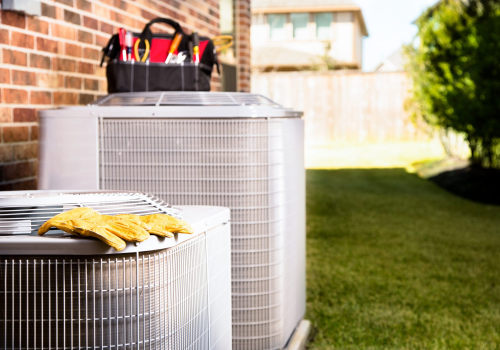
- Keep the Outdoor Unit Clean: The outdoor condenser unit can accumulate dirt, leaves, and debris over time. Regularly inspect the area around the unit and clear away any obstructions.
Ensure that there’s at least two feet of clearance around the unit for optimal airflow.
- Inspect the Ductwork: Leaky ducts can significantly reduce your air conditioner’s efficiency. Inspect your ductwork for any signs of wear or damage, and seal any leaks with duct tape or mastic sealant. This will help maintain proper airflow and improve energy efficiency.
- Schedule Professional Maintenance: While DIY maintenance is crucial, it’s also important to have a professional technician inspect your system at least once a year. They can perform a thorough cleaning, check refrigerant levels, and identify potential issues before they become major problems.
- Monitor Thermostat Settings: Ensure that your thermostat is functioning correctly and set to an appropriate temperature.
Consider upgrading to a programmable thermostat that can adjust temperatures based on your schedule, which can help save energy and prolong the life of your aircon.
- Check for Unusual Noises: Pay attention to any strange sounds coming from your air conditioner. Unusual noises can indicate mechanical issues that may require immediate attention. Addressing these problems early can prevent costly repairs down the line.
<strong>Conclusion</strong>: The Comprehensive Role of Air Conditioners in Modern Living
In summary, the role of an air conditioner extends far beyond merely cooling a space.As we have explored throughout this article, air conditioners are multi-functional devices that significantly enhance our quality of life in various ways. Their primary function, cooling, is essential for maintaining a comfortable indoor environment, especially during the sweltering summer months. However, it is crucial to recognize that this is just one aspect of what an aircon can do.Another vital function is dehumidification. By removing excess moisture from the air, air conditioners help create a more pleasant atmosphere and prevent issues such as mold growth and musty odors.
This is particularly important in regions with high humidity levels, where stagnant air can lead to discomfort and health concerns.Moreover, the air filtration capabilities of an air conditioner cannot be overlooked. By filtering out dust, allergens, and other airborne pollutants, these units contribute to a healthier living environment. This is especially beneficial for individuals with respiratory conditions or allergies, as cleaner air can lead to improved health outcomes.Additionally, the role of air conditioners in ventilation and air circulation plays a significant part in maintaining indoor air quality. By continuously circulating and refreshing the air within a space, they help eliminate stale odors and ensure that occupants breathe easier.Finally, when considering the expansion capabilities of an air conditioning system, it becomes clear that these units are designed to adapt to various living situations.
Whether you live in a small apartment or a large home, there are options available that can efficiently cool your space while providing all the additional benefits discussed.In conclusion, investing in a quality air conditioner is not just about comfort; it is about enhancing your overall well-being. By understanding the comprehensive roles that these systems play in our daily lives, we can make informed decisions that lead to healthier and more comfortable living environments.