Yes — your HVAC system is either your greatest defense against allergy season or one of its hidden triggers. Maintenance makes all the difference.
Most allergy sufferers focus on what's outside: pollen counts, air quality alerts, and closed windows. What they overlook is what's happening inside their own systems. After manufacturing air filters for over a decade and helping more than two million households breathe easier, we've learned that a poorly maintained HVAC system doesn't just fail to protect your family — it actively recirculates the allergens they're trying to avoid.
This page breaks down exactly which maintenance tasks reduce airborne triggers, how often to perform them, and what to watch for when symptoms feel worse indoors than out when you're asking when is allergy season and how to prepare your home for it. You'll leave with a clear, actionable plan for making your HVAC system work for your family — not against them.
TL;DR Quick Answers
When Is Allergy Season?
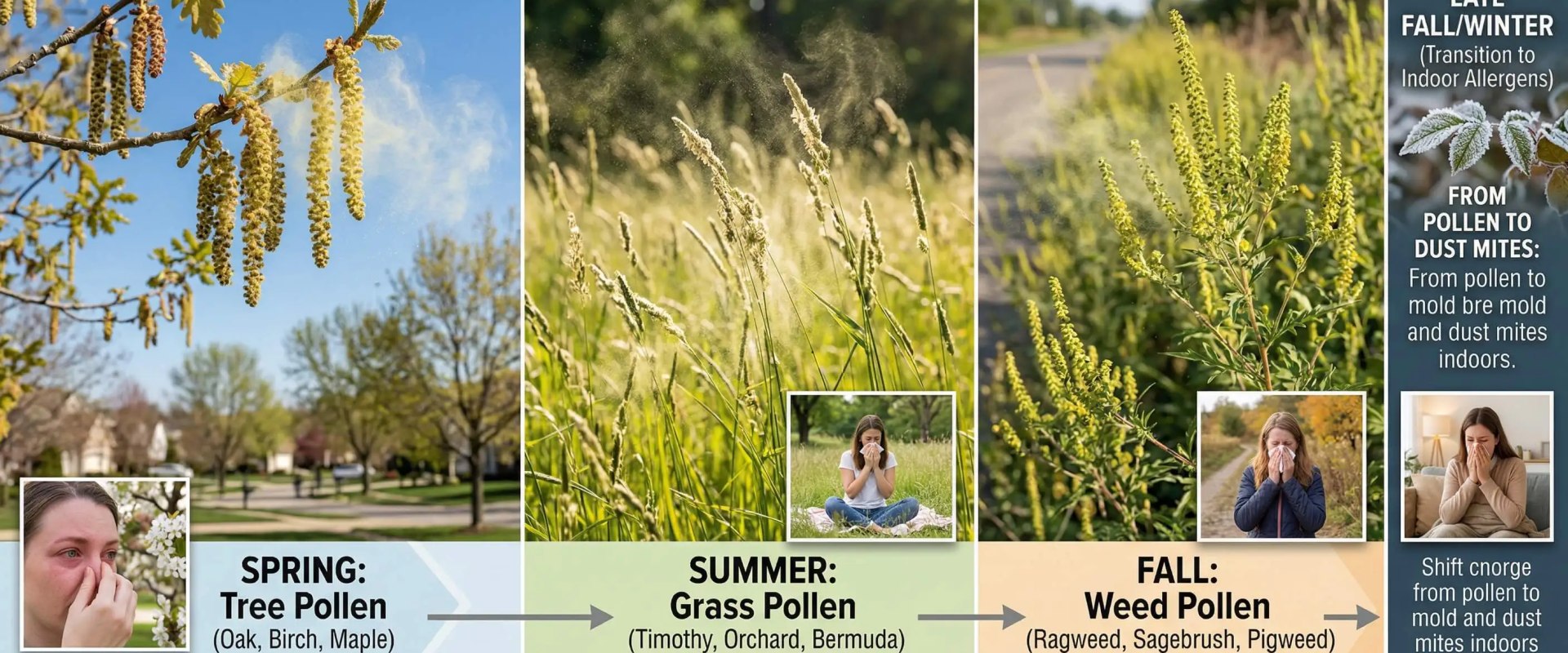
Allergy season in the United States runs year-round — but peaks in three distinct phases:
Spring (January–May): Tree pollen season. Starts as early as January in the Southeast and South Central U.S. Arrives March through April in the Northeast and Midwest.
Summer (May–July): Grass pollen season. Peaks across most U.S. regions in late spring through early summer.
Fall (August–October): Weed and ragweed season. Extends into November in warmer southern states.
For most U.S. households, active allergen exposure lasts six to nine months per year — not the two or three months most people expect.
One fact most allergy sufferers overlook: indoor allergy season lasts longer than outdoor allergy season. Pollen enters the home on clothing, shoes, and pets. Once inside, it recirculates through the HVAC system long after outdoor counts have dropped. Managing allergy season means managing both exposures — and the indoor one starts with how well your HVAC system is maintained.
Top Takeaways
Your HVAC system is either your greatest defense against allergy season — or one of its hidden triggers. Maintenance makes the difference. A neglected system doesn't just fail to protect your family. It actively recirculates the allergens they're trying to avoid.
Indoor air is where most allergy exposure actually happens. Americans spend 90% of their time indoors. Indoor pollutant concentrations run 2 to 5 times higher than outdoor levels. Closing the windows handles outdoor exposure. Maintaining your HVAC handles what's already inside.
Five maintenance tasks deliver the most measurable allergy season results:
Upgrade to a MERV 11 or higher pleated filter
Clean the evaporator coil before peak season
Inspect and seal duct leaks
Maintain indoor humidity below 50%
Flush the condensate drain line
The pollen season is getting longer and more intense. Total U.S. pollen increased up to 21% between 1990 and 2018. Seasons are starting earlier across most U.S. regions. The maintenance schedule that worked five years ago may no longer be enough.
Proactive HVAC maintenance is the lowest-cost, highest-impact allergy intervention most families aren't using. In over a decade of serving allergy-affected households, the pattern is consistent. Families who maintain their systems before peak season spend far less time managing symptoms after it arrives. A filter change costs a fraction of a single allergist visit. The maintenance just has to happen first.
Your HVAC system moves air through your home hundreds of times every day. During allergy season, that's either a powerful advantage or a continuous problem — and the difference comes down to how well the system is maintained.
Here's what most homeowners don't realize: outdoor allergens don't stay outside. Pollen, mold spores, and dust mite debris enter your home through open doors, windows, clothing, and pets. Once inside, your HVAC system picks them up and pushes them back into every room through your supply vents. A neglected system doesn't filter these particles effectively — it distributes them. Routine maintenance breaks that cycle.
After manufacturing air filters for over a decade and helping more than two million households manage their indoor air, we've identified the maintenance tasks that make the most measurable difference during allergy season, including choosing the best MERV rating for home use. Here's what matters most.
Your Air Filter Is the First Line of Defense
A clogged or low-efficiency air filter doesn't just reduce airflow — it lets allergens pass straight through into your living spaces. During peak allergy season, filters load up faster than homeowners expect. Pollen counts spike, and so does the particle burden on your filter media.
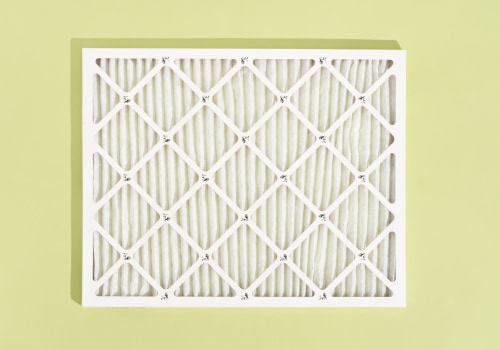
In our experience, households with allergy sufferers should inspect their filters every 30 days during spring and fall and replace them as soon as airflow restriction is visible. A filter rated MERV 11 or higher captures the particle sizes — pollen, mold spores, and pet dander — that drive most seasonal allergy symptoms. Upgrading your filter rating is often the single fastest improvement you can make to your indoor air quality.
A Dirty Evaporator Coil Becomes a Mold and Allergen Reservoir
Your evaporator coil runs cold and wet during cooling cycles. That moisture creates ideal conditions for mold and mildew growth — and once mold establishes on a coil, your system aerosolizes it every time the blower runs. This is one of the most overlooked allergen sources in the home, and one we see consistently in systems that haven't had a professional maintenance visit in over a year.
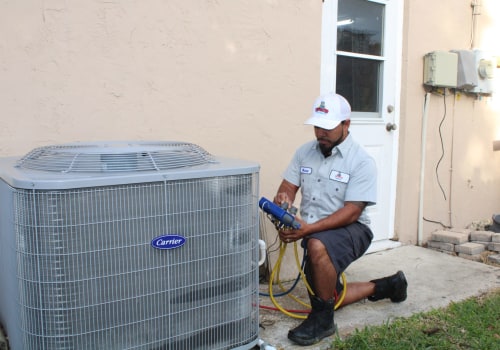
Annual professional maintenance that includes coil cleaning eliminates this reservoir before allergy season begins. It also improves system efficiency, which means fewer runtime hours pushing air — and allergens — through your home.
Duct Leaks Pull Allergens Directly From Unconditioned Spaces
Most homeowners assume their ductwork is airtight. It rarely is. Return ducts that run through attics, crawl spaces, and wall cavities regularly develop gaps and disconnections over time. Those gaps pull unfiltered air — loaded with insulation particles, mold, rodent dander, and concentrated dust — directly into your airstream, completely bypassing your filter.
Duct inspection and sealing is a maintenance step that pays compounding dividends during allergy season. By eliminating bypass air, you ensure that every cubic foot of air your family breathes has actually passed through your filtration system.
Humidity Control Suppresses Dust Mites and Mold Growth
Dust mites and mold — two of the most common year-round allergens — thrive in humidity above 50%. Your HVAC system plays a direct role in managing indoor humidity levels, but only when it's properly sized, charged, and maintained. An underperforming system that short-cycles or runs inefficiently fails to dehumidify properly, creating conditions where biological allergens multiply.
Routine maintenance — including refrigerant level checks, blower motor inspection, and drain pan cleaning — keeps your system dehumidifying effectively. In humid climates, adding a whole-home dehumidifier to your HVAC system provides an additional layer of control that dramatically reduces dust mite and mold populations indoors.
Condensate Drain Clogs Create Mold at the Source
Your system removes moisture from the air through the evaporator coil and routes it out through a condensate drain line. When that drain clogs — which happens regularly in humid climates — water backs up into the drain pan and sits. Standing water in a drain pan is a direct mold breeding ground positioned right inside your air handler.
Flushing the condensate drain line is a simple but critical maintenance step. It takes minutes during a professional tune-up and prevents one of the most concentrated mold sources in your entire HVAC system from developing.

Most allergy sufferers are fighting the wrong battle. They're tracking pollen counts and avoiding the outdoors, but their own air conditioning systems can become one of the most powerful tools for improving indoor air when they’re properly maintained. After working with more than two million households, the pattern we see most often isn't a severe allergy condition — it's a maintained one. A clogged filter, a moldy coil, a leaking return duct. These aren't catastrophic failures; they're the ordinary result of a system that hasn't received the attention it needs. Give air conditioning systems the care they need, and for a significant number of allergy sufferers, the indoor symptoms improve. That's not a claim we make lightly — it's what we've watched happen, consistently, across more than a decade of helping families take their air quality seriously.
Essential Resources
Allergy season doesn't follow a single date — and managing it well starts with knowing where to look. After manufacturing air filters for over a decade and helping more than two million households breathe easier, we know that the families who prepare early are the ones who suffer least. These seven resources — drawn exclusively from government and medical organizations — give you the full picture: when allergy season starts, how bad it will be in your region, and why what's happening inside your home matters just as much as what's happening outside.
Know When Allergy Season Starts in Your Region
The U.S. Department of Health and Human Services tracks pollen season progression across the country using National Phenology Network data — showing exactly where spring is arriving earlier than historical averages. If your symptoms are starting sooner every year, this resource explains why. https://www.hhs.gov/climate-change-health-equity-environmental-justice/climate-change-health-equity/climate-health-outlook/pollen/index.html
Check Real-Time Pollen Counts Before You Step Outside
The American Academy of Allergy, Asthma and Immunology's National Allergy Bureau operates the most trusted pollen monitoring network in the country. Check verified, station-reported pollen counts for your specific area — the same data allergists use when advising patients. https://pollen.aaaai.org/
Understand What Pollen Count Numbers Actually Mean
A pollen count is only useful if you know how to read it. The AAAAI's clinically reviewed Hay Fever and Pollen Counts resource breaks down exactly how counts are measured, what the numbers mean for your symptoms, and how to use them to plan your day during peak season. https://www.aaaai.org/tools-for-the-public/conditions-library/allergies/hay-fever-and-pollen-counts
See Why Allergy Season Is Getting Longer Every Year
The CDC's Climate and Health program documents how rising temperatures are pushing pollen seasons earlier, stretching them longer, and driving higher airborne concentrations than prior decades. If your symptoms have noticeably worsened in recent years, this resource provides the science behind what you're experiencing. https://www.cdc.gov/climate-health/php/effects/allergens-and-pollen.html
Find Out How Many Americans Are Affected by Seasonal Allergies
The CDC's FastStats page on Allergies and Hay Fever is the primary national data source on allergy prevalence — including that 25.2% of U.S. adults and 20.6% of children carry a diagnosed seasonal allergy. These numbers put the scale of the problem in perspective and reinforce why preparation isn't optional. https://www.cdc.gov/nchs/fastats/allergies.htm
Get a Region-by-Region Allergy Season Preparation Guide
The National Environmental Education Foundation breaks down allergy season by pollen type, region, and timing — and explains how climate change is intensifying seasonal exposure for most of the country. Preparation steps include the recommendation to install high-efficiency HVAC filters before peak season begins. https://www.neefusa.org/story/health-and-environment/when-allergy-season
Discover Why Your Home's Air May Be Making Symptoms Worse
Most allergy sufferers focus entirely on outdoor exposure. The EPA's guide to biological pollutants explains how mold, dust mites, pollen, and pet dander infiltrate your home and recirculate through your central HVAC system — often at concentrations that rival outdoor air. This is the resource that reframes where the real problem lives. https://www.epa.gov/indoor-air-quality-iaq/biological-pollutants-impact-indoor-air-quality
Supporting Statistics
Numbers tell the story that symptoms alone can't. After manufacturing air filters for over a decade and working with more than two million households, we've seen the gap between what allergy sufferers believe about their air and what the research actually shows. These five federal data points are the ones that change how families think about where the real problem lives.
One in Four American Adults Has a Diagnosed Seasonal Allergy
The CDC's National Center for Health Statistics puts the numbers in stark relief:
25.2% of U.S. adults carry a diagnosed seasonal allergy
20.6% of children do as well
In a household of four, at least one person is statistically confirmed to react to airborne triggers
In our experience, these numbers understate the real picture. Many families still attribute their indoor discomfort to colds or dust sensitivity — not recognizing that recirculated allergens are the actual cause. Your HVAC system doesn't distinguish between diagnosed and undiagnosed. It moves air either way.
Source: CDC National Center for Health Statistics — Allergies and Hay Fever https://www.cdc.gov/nchs/fastats/allergies.htm
The Air Inside Your Home Is Often More Polluted Than the Air Outside
This is the statistic we return to most when families tell us their symptoms feel just as bad with the windows closed:
Americans spend approximately 90% of their time indoors
Indoor pollutant concentrations are often 2 to 5 times higher than outdoor levels
The indoor environment is where the majority of allergen exposure actually accumulates
Closing the windows is step one. Maintaining the system that filters what's already inside is step two.
Source: U.S. Environmental Protection Agency — Indoor Air Quality https://www.epa.gov/report-environment/indoor-air-quality
Total U.S. Pollen Has Grown 21% Since 1990 — and the Season Keeps Getting Longer
Federal health data shows the trend is moving in the wrong direction:
Total U.S. pollen amounts increased up to 21% between 1990 and 2018
The greatest increases were recorded in Texas and the Midwest
Pollen seasons are starting earlier and lasting longer every year
What this means practically for homeowners:
Filters load faster than they did five years ago
Coils accumulate biological material sooner into the season
The window between a clean system and a compromised one is shorter than most families expect
We've watched this shift play out across our customer base in real time. The maintenance schedule that worked a few years ago may no longer be adequate today.
Source: U.S. Department of Health and Human Services — Climate Health Outlook: Pollen https://www.hhs.gov/climate-change-health-equity-environmental-justice/climate-change-health-equity/climate-health-outlook/pollen/index.html
Pollen-Related Medical Costs Exceed $3 Billion Every Year — Much of It Preventable Indoors
The financial scale of seasonal allergies is staggering:
Pollen-related medical expenses surpass $3 billion annually
Almost half is attributed to prescription medication costs alone
In serving more than two million households, the pattern we see consistently is this: families who maintain their HVAC systems before peak season spend far less time managing symptoms after it arrives. A filter change and a professional tune-up cost a fraction of a single allergist visit. The maintenance just has to happen first.
Source: CDC — Allergens and Pollen, Climate and Health https://www.cdc.gov/climate-health/php/effects/allergens-and-pollen.html
Contaminated HVAC Systems Are a Direct Biological Allergen Source — for 60 Million Americans
Allergic rhinitis affects up to 60 million people annually in the United States. What the prevalence data doesn't show is how many of those cases are being actively worsened by the one system designed to help. Here's what the EPA confirms:
Contaminated central air handling systems become breeding grounds for mold, mildew, and biological contaminants
Those systems then distribute contaminants throughout the home
The populations most vulnerable — the very young, the elderly, and those with respiratory conditions — spend the most time indoors
After more than a decade working with allergy-affected households, this is the insight that surprises people most. Maintained poorly, an HVAC system becomes one of the most efficient allergen delivery systems in the home. Maintained well, it becomes the most powerful tool a family has for fighting back.
Source: EPA — What Are Biological Pollutants and How Do They Affect Indoor Air Quality https://www.epa.gov/indoor-air-quality-iaq/what-are-biological-pollutants-how-do-they-affect-indoor-air-quality
Final Thoughts
Allergy season has a reputation problem. It's been framed as an outdoor issue — check the pollen count, stay inside, wait it out. After manufacturing air filters for over a decade and working with more than two million households, we've arrived at a different conclusion. The outdoor framing isn't wrong. It's just incomplete. And that incomplete picture costs families real comfort, real money, and real health outcomes every single season.
Here's what our direct experience actually shows:
The Home Is Where Allergy Season Does Its Most Sustained Damage
Outdoor pollen peaks for hours. Indoor allergen exposure accumulates across weeks and months. The difference comes down to one factor:
Outdoor air is variable — wind, rain, and temperature naturally flush and reset it
Indoor air recirculates continuously through a system running day and night
That system — your HVAC — connects both realities and determines what your family actually breathes
Maintenance Timing Matters More Than Most Homeowners Realize
Across two million households, one pattern holds consistently. Reactive maintenance almost always costs more than proactive maintenance — in dollars, in symptoms, and in system performance. Families who get ahead of allergy season do three things:
Schedule a professional tune-up before the spring pollen surge begins
Replace filters before peak season loads them to the point of restriction
Inspect ductwork before humidity season creates conditions for mold growth
That sequence isn't overcaution. It's the difference between allergy season being a passing inconvenience and a recurring household health event.
The Filter Is the Most Underestimated Tool in Allergy Management
Physicians recommend antihistamines. Allergists recommend immunotherapy. Almost no one discusses the MERV rating of the filter currently in the patient's HVAC system — despite the fact that it directly determines what percentage of pollen, mold spores, and dust mite debris is being captured versus recirculated.
In our experience, upgrading from a basic fiberglass filter to a properly rated pleated filter delivers:
Meaningful reduction in airborne allergen concentration
Immediate whole-home impact — not room by room
Results with no prescription, no appointment, and five minutes of effort
Our Opinion, Plainly Stated
A meaningful portion of the sneezing, disrupted sleep, and morning congestion families attributed to allergy season is driven by indoor air quality conditions that routine HVAC maintenance directly addresses. We've seen it in household feedback, in the difference between systems we've serviced and systems found neglected, and in more than a decade of watching what clean air does for families who prioritize it.
Two things are true at once:
You cannot control the pollen count outside
You can absolutely control what happens to it once it enters your home
That control starts and ends with how well you maintain the system moving air through it.

FAQ on When Is Allergy Season
Q: When does allergy season start in the United States?
A: It depends on where you live — and it starts earlier than most people expect. Allergy season follows a three-phase progression across most U.S. regions:
Tree pollen: January through May
Grass pollen: May through July
Weed and ragweed pollen: August through first hard frost
Key facts to know:
The Southeast and South Central U.S. see tree pollen as early as January
The Northeast and Midwest typically see the first surge in March or April
Most U.S. households face six to nine months of active allergen exposure per year
After working with households across every major U.S. climate zone, the pattern is consistent. The families who manage allergy season best don't wait to feel symptoms before taking action.
Q: What months are the worst for seasonal allergies?
A: Peak months vary by trigger and region. Here's when each major allergen type hits hardest:
Tree pollen peaks: March through May
Grass pollen peaks: May through July
Ragweed peaks: August through October — and into November in southern regions
One insight most allergy sufferers miss: the worst outdoor month and the worst indoor month are rarely the same. Outdoor pollen peaks and drops. Indoor allergen burden peaks shortly after — because pollen that enters the home recirculates through the HVAC system long after outdoor counts have fallen. Managing both exposures separately is the key most households overlook.
Q: Is allergy season getting worse every year?
A: Yes — and the federal data is unambiguous. Two data points define the shift:
Total U.S. pollen increased up to 21% between 1990 and 2018 (HHS)
Pollen seasons for grass, oak, and birch have lengthened between 1948 and 2023 across most of the contiguous U.S. (EPA)
We've watched this play out across our customer base in real time. Longer, more intense seasons create three compounding effects for homeowners:
Filters load faster and need more frequent replacement
Coil contamination develops earlier in the season
Indoor allergen accumulation builds sooner than households expect
The maintenance schedule that protected your family five years ago may not be adequate today.
Q: Can allergy season cause symptoms indoors even with windows closed?
A: Yes — and this is the part of allergy season most households aren't managing. Here's why closed windows aren't enough on their own:
The EPA documents indoor pollutant concentrations at 2 to 5 times higher than outdoor levels
Allergens enter on clothing, shoes, and pets — then recirculate continuously through the HVAC system
Dust mites and mold thrive year-round independent of outdoor pollen entirely
A poorly maintained HVAC system actively creates the conditions these allergens need:
Uncontrolled humidity feeds dust mite and mold populations
Clogged condensate drains create standing water and mold at the source
Contaminated coils aerosolize biological allergens every time the blower runs
In our experience, households that close the windows but neglect the system rarely see a meaningful improvement in indoor symptoms. Both steps matter.
Q: How does knowing when allergy season starts help with HVAC maintenance timing?
A: It creates a preparation window — and that window is everything. If tree pollen peaks in your region in March, here is the maintenance sequence that works:
Replace filters with MERV 11 or higher in February — before peak load begins
Schedule a professional tune-up in January or February — coil cleaning and condensate drain flushing included
Inspect and seal duct leaks before humidity season creates mold growth conditions
Target indoor humidity below 50% throughout peak season
After manufacturing air filters for over a decade and helping more than two million households manage seasonal allergies, the clearest pattern we've observed is this:
Families who treat allergy season as a maintenance event spend far less managing it as a medical one
Preparation before peak season consistently outperforms reaction after symptoms arrive
Knowing your local season start date gives you the lead time to stay ahead of it
Ready to Make Your HVAC System Your Greatest Defense Against Allergy Season?
Explore Filterbuy's American-made MERV-rated air filters — the first and most impactful step in turning your HVAC system into the allergy season protection your family deserves. Shop your size, set up automatic delivery, and take control of your indoor air before peak season arrives.